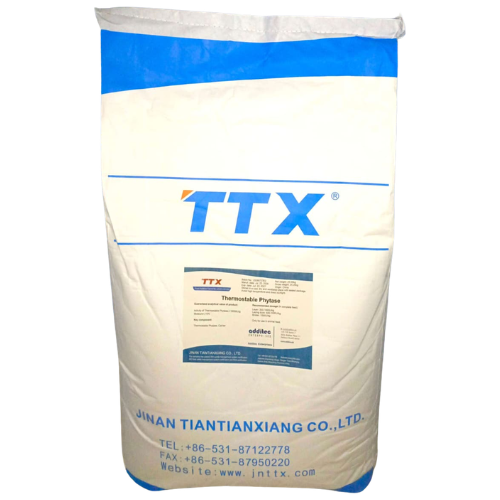
Feed enzymes are used within modern feed systems to help animals access certain dietary components more effectively. They are tools in formulation strategy, not stand-alone solutions. Understanding their role helps commercial and technical teams ask clearer questions before purchasing.
Where enzymes fit in diet design
Plant-based feed ingredients contain nutrients that are not always fully available to the animal under practical conditions. Enzyme products are selected by nutritionists as part of a broader diet design that also considers energy, protein, minerals, and animal stage.
Because enzyme response depends on diet composition and application conditions, product decisions should follow nutrition guidance and manufacturer documentation rather than generic promises.
Phytase as a common example
Phytase is widely discussed because plant phosphorus is often present in phytate-bound forms that animals use less efficiently. Nutrition programmes may include phytase as part of a phosphorus strategy defined by the formulator. Exact matrix values, inclusion approaches, and processing constraints belong in product-specific technical materials.
- Confirm the intended species and diet context with your nutrition team
- Review available product documentation before changing purchasing patterns
- Consider processing and storage conditions relevant to your mill
- Keep commercial claims separate from verified product data sheets
Browse enzymes in the product catalogue.Enzyme category →
Review phytase product details and available documentation.Phytase product →
Procurement checkpoints
From a purchasing perspective, enzyme ingredients raise familiar questions: identity, packaging, storage guidance, shelf-life communication, and document availability. Thermostability language appears frequently in commercial discussions; any such characteristic should be verified against the specific product's documentation rather than assumed from category reputation.
| Checkpoint | Why buyers ask |
|---|---|
| Product identity | Ensures the SKU matches the nutrition specification |
| Handling guidance | Supports correct warehouse and dosing practice |
| Documents | Supports internal QA and customer information requests |
| Supply continuity | Enzymes are often planned items, not spot experiments |
Keep expectations realistic
Enzymes can be useful within well-designed diets. They do not replace balanced formulation, ingredient quality control, or good manufacturing practice. Educational articles can explain categories; they cannot prescribe inclusion rates or promise outcomes for a specific farm or mill.
For product-specific enzyme information, request technical documentation rather than relying on general industry overviews.
Practical next step
If your mill uses or is evaluating enzyme ingredients, start with a clear nutrition brief, then compare product identity and documentation across suppliers. That sequence keeps purchasing aligned with formulation intent.
Information on this page is provided for general industry information and should not replace product-specific technical documentation.