Amino acids are the building blocks of protein. In commercial animal production, diets are rarely designed around crude protein alone. Formulators increasingly focus on the balance of essential amino acids so that protein supply can be planned with greater precision.
For feed manufacturers, amino acid choices affect raw-material flexibility, diet cost structure, documentation requirements, and the consistency of finished feed. Feed grade amino acids are concentrated ingredients used when natural protein sources do not supply enough of specific amino acids on their own.
Essential amino acids in practical diets
Animals can synthesise some amino acids. Others must be supplied in the diet in adequate amounts. In cereal- and oilseed-based diets, several amino acids commonly become limiting as nutritionists work toward tighter protein specifications.
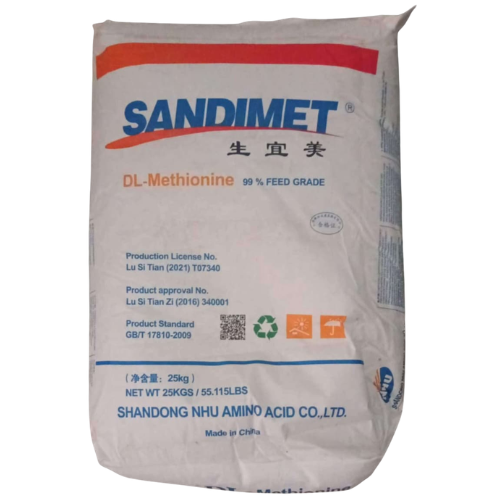
- Methionine: often among the first limiting amino acids in cereal-based poultry diets
- Lysine: closely associated with lean tissue deposition and used as a reference in ideal-protein approaches
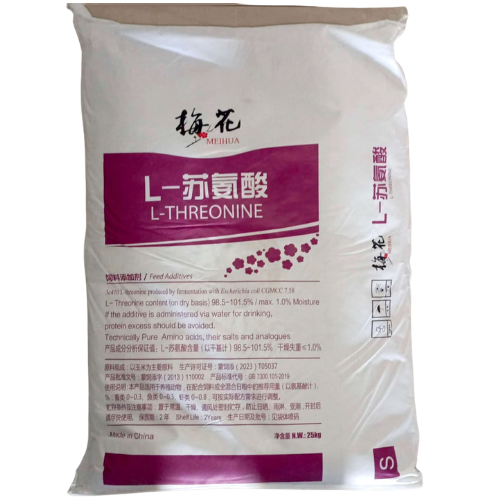
- Threonine: important for maintenance and gut-related protein needs
- Tryptophan and valine: increasingly considered as diets become more precisely balanced
The exact ranking of limiting amino acids depends on species, diet composition, production stage, and ingredient quality. Formulation decisions belong with qualified nutritionists working from current requirements and analysed raw materials.
Ideal protein thinking
Many poultry programmes express amino acid targets relative to lysine. This ideal protein approach helps reduce unnecessary surplus protein while keeping amino acid supply aligned with nutrition team targets. Synthetic amino acids give formulators room to adjust balance when raw-material prices or availability change.
Ideal-protein concepts are planning tools. They do not replace species-specific advice, local ingredient analysis, or product documentation.
Review product details for DL-Methionine in the amino acid category.DL-Methionine →
Review product details for L-Lysine HCl in the amino acid category.L-Lysine HCl →
What feed mills should watch in procurement
Nutritional suitability is only one part of the purchasing decision. Procurement and quality teams typically also review product identity, grade positioning, packaging integrity, storage guidance, and the availability of supporting documents.
- Clear product naming and grade description
- Consistent packaging suitable for warehouse handling
- Storage and handling guidance from the manufacturer or supplier
- Access to technical or commercial documentation when required
- Replenishment planning for high-use amino acids
Where multiple suppliers or origins are available for similar amino acids, buyers often compare not only price but also communication quality, lead times, and how easily the product fits into existing intake checks.
Explore the full amino acid category in the product catalogue.Browse amino acid products →
Communication between nutrition and purchasing
Problems often appear when formulation assumptions and purchased materials diverge. A practical habit is to keep nutrition, purchasing, and quality aligned on which amino acids are strategic, which alternatives are acceptable, and which documents must accompany each delivery.
This alignment becomes more important when diets are tightly balanced or when a mill is managing many SKUs across different customer programmes.
What this means for buyers
Amino acids remain central to modern feed design because they allow more precise protein nutrition. For manufacturers and nutrition teams in Pakistan's animal nutrition market, the useful next step is building a clear understanding of which amino acids matter for each diet type, and sourcing them through dependable channels with appropriate documentation.
Ingredient selection is a nutrition decision and a supply decision at the same time.
Information on this page is provided for general industry information and should not replace product-specific technical documentation.